What is self-affirmation?
Actions and interactions which positively affirm aspects of a person’s identity and values, bolstering their sense of self and therefore their resilience in the face of life’s difficulties.
Why is self-affirmation so valuable for mental health and wellbeing?
The goal of self-affirmation is to encourage a healthy, realistic, and balanced identity where people feel more certain of who they are and know their strengths and interpersonal connections. This can help them feel more capable and less insecure when tackling problems, and promotes feelings of safety and belonging in their environment.
How can teachers make use of self-affirmation to support young people?
It’s simple to incorporate self-affirmation into classroom activities, especially for younger children or after the ever-challenging switch to a new school. Brief tasks like writing about personal strengths or values can mask useful affirmations as ‘getting to know you’ exercises between teachers and their new students, and sets up young people well at the beginning of the school year.

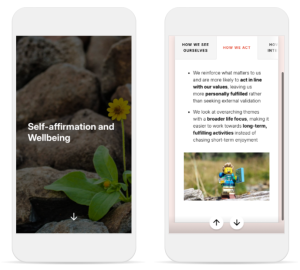
Why not try our micro-learning course on this topic?
Click the graphic to start (opens in new tab)
Course Title: Self-affirmation and Wellbeing
Course Type: Micro-learning
Learning time: approx.5-8 mins
3 top tips!
- Self-affirmation isn’t about boosting ego; it’s much healthier to know you’re ‘capable enough’ at more things than feel pressure to be exceptional at a few.
- Keep affirmation tasks subtle and varied; they become less effective when it’s obvious what you’re trying to get people to do.
- Where possible, try to encourage affirmations towards community-oriented and self-validating values as these promote good mental health.