What are metaphors?
Metaphors form a figurative connection between two concepts, usually through language. Many metaphors go unnoticed because they’re so common (“feeling empty”), some are well-known phrases (“love is war”), whilst others are deliberately used for creative expression (“icy stare”).
Metaphors are especially useful for communicating intense, personal, complicated, or abstract experiences where literal language is insufficient.
Why are metaphors so valuable for discussing mental health?
Metaphors provide a way to communicate the abstract symptoms of mental health, especially for young people who likely cannot word their experiences in the same terms that adults or health professionals would use.
Metaphors can also provide distance from difficult topics by discussing them figuratively, or help to explain complex topics by relating them to something easier to understand.
What can teachers do to make use of metaphors in conversations about mental health?
Encouraging the use of metaphors helps to make an often emotionally challenging conversation a bit easier. It gives young people permission to face uncomfortable topics indirectly, or to communicate things they may not have the ‘proper’ terms to describe.
From there, engaging with the topics a young person uses in their metaphors can help them feel heard, understood, and connected. It also helps to reach solutions that are compatible with how they view their problems.

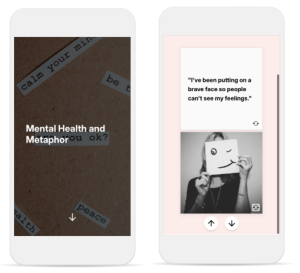
Why not try our micro-learning course on this topic?
Click the graphic to start (opens in new tab)
Course Title: Mental Health and Metaphor
Course Type: Micro-learning
Learning time: approx. 5-8 mins
3 top tips!
- Metaphors can make mental health topics easier to understand and less intimidating, both for young people and their caregivers.
- Consider why a young person may be using metaphors instead of being literal e.g. the topic is uncomfortable or their feelings are complex.
- Engaging with the topics a young person uses in their metaphors helps them feel heard, promoting connection and trust.