Creating School Environments That Support Student Wellbeing
Human beings are deeply influenced by the environments in which they live, work, and learn. Individuals naturally seek comfort—selecting clothing that regulates temperature, choosing furniture that feels secure, and surrounding themselves with colours and textures that shape their emotional state. In educational settings, the relationship between physical space and emotional wellbeing is even more profound. Organisations such as Two Thirds Design (www.twothirdsdesign.co.uk), a Birmingham-based specialist in wellbeing-focused school environments, have increasingly highlighted the importance of creating spaces that actively support how children feel, behave, and learn.
A substantial body of research demonstrates that nurturing, thoughtfully designed school environments play a critical role in supporting student wellbeing, behaviour, and academic outcomes. Studies in environmental psychology show that calm, emotionally supportive spaces help reduce stress responses, increase attentional capacity, and improve students’ readiness to learn. Research into supportive environments has shown that exposure to well-designed, calming spaces can measurably reduce physiological stress indicators. Large-scale investigations into classroom design have also found that factors such as light, layout, colour, and flexibility play a meaningful role in students’ academic progress.
In response to this growing evidence, many schools are increasingly prioritising environments that place wellbeing at the centre. Carefully planned interiors and exteriors can nurture students’ emotional needs while also enhancing learning, creativity, social connection, and a sense of belonging. When children feel calm, safe, and supported, their capacity to engage, regulate emotions, and thrive academically is significantly strengthened.
Schools may therefore choose to develop a range of wellbeing-focused design features, such as:
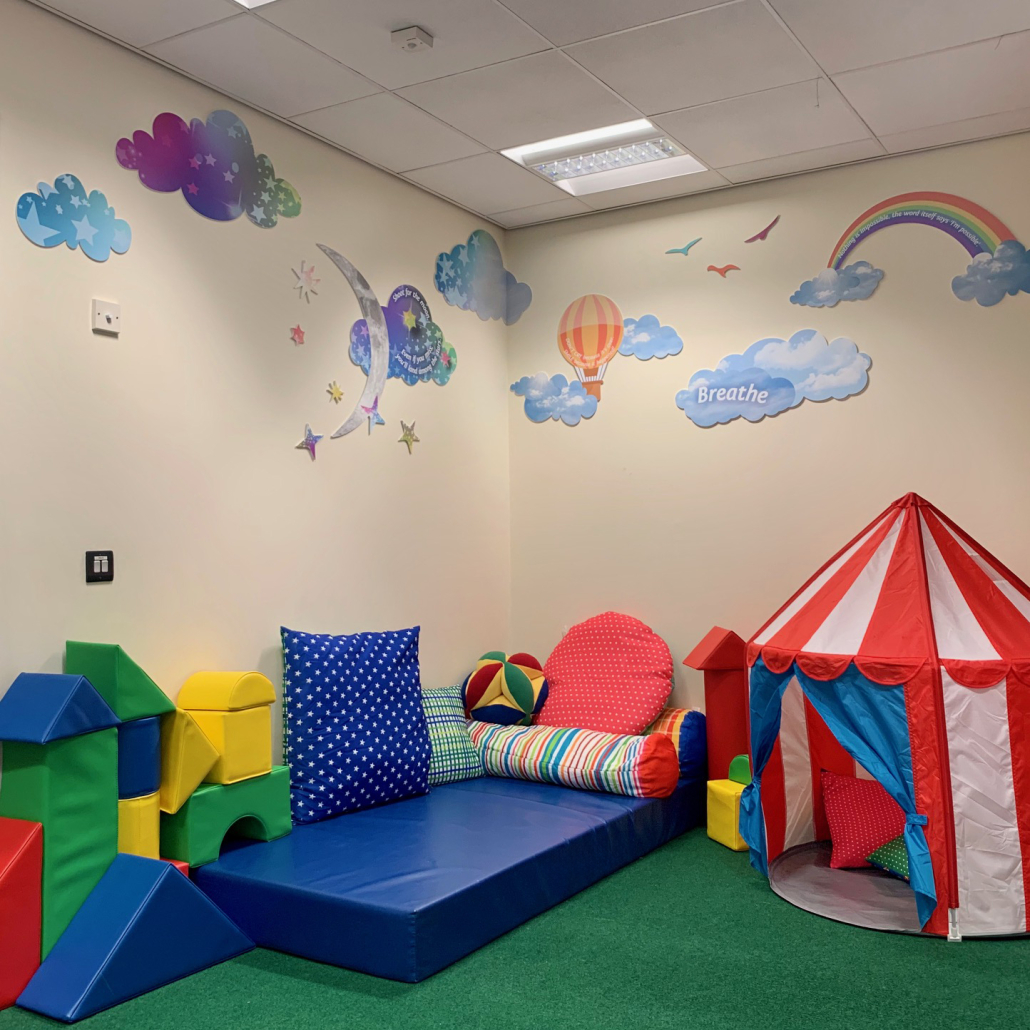
- Nurture rooms that offer warm, predictable, and emotionally secure spaces for regulating feelings and rebuilding confidence.
- Breakout and regulation areas that help students manage overwhelm and return to learning calm and ready.
- Sensory trails and pathways that promote movement, sensory integration, and self-regulation.
- Quiet corners designed for reflection, decompression, and emotional reset.
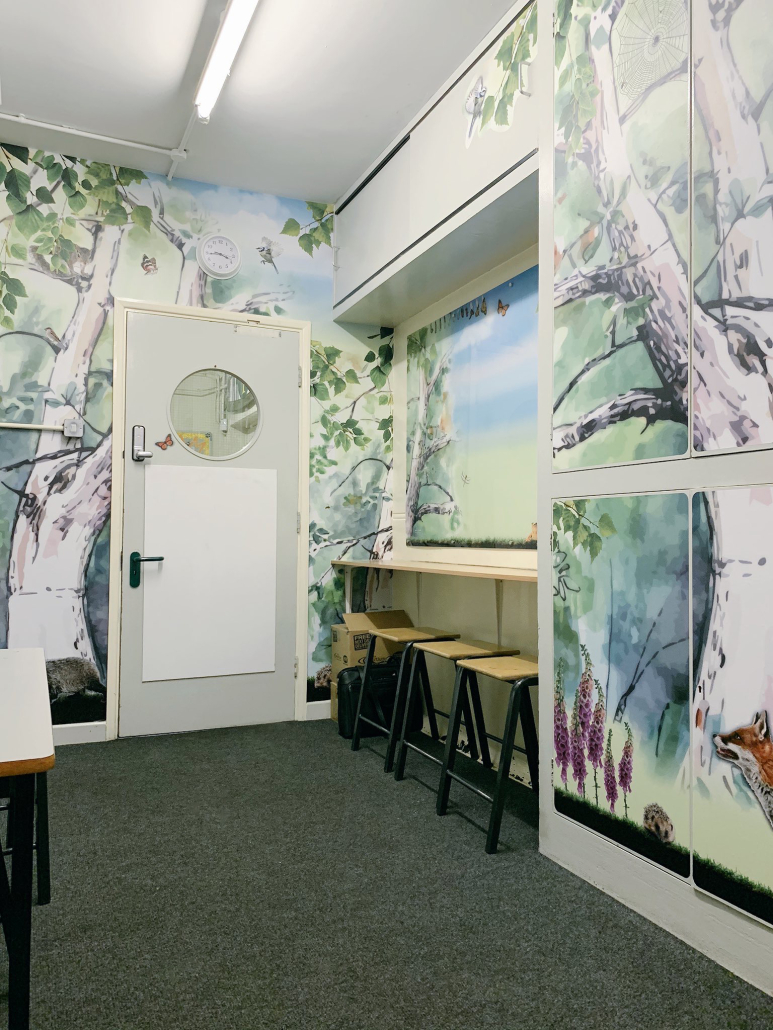
- Stimulating learning zones that spark curiosity while maintaining psychological safety and comfort.
- Flexible classroom layouts that enable students to adapt their environment to their needs.
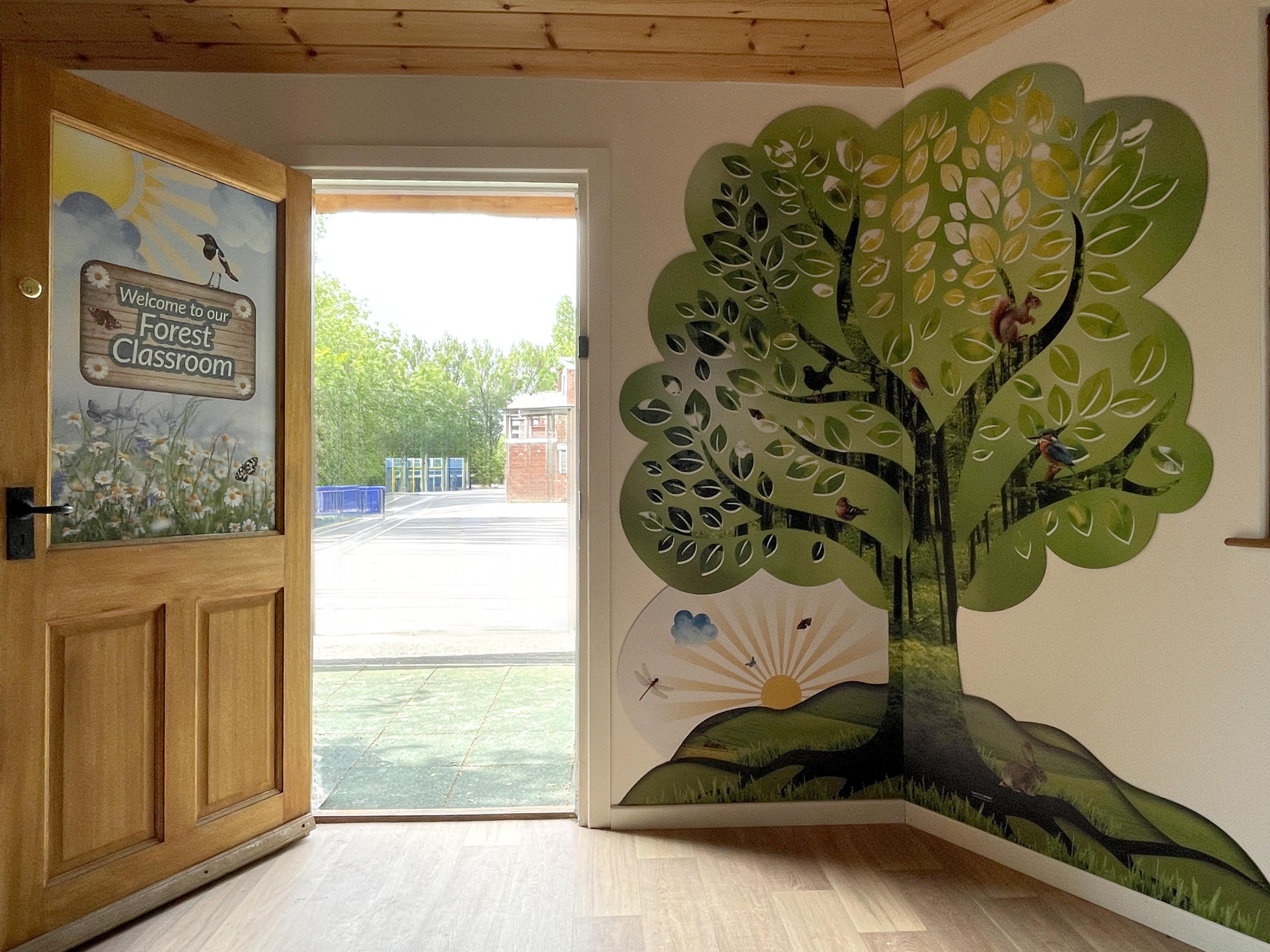
- Outdoor transformations, including sensory gardens and nature-based zones that improve attention, mood, and wellbeing.
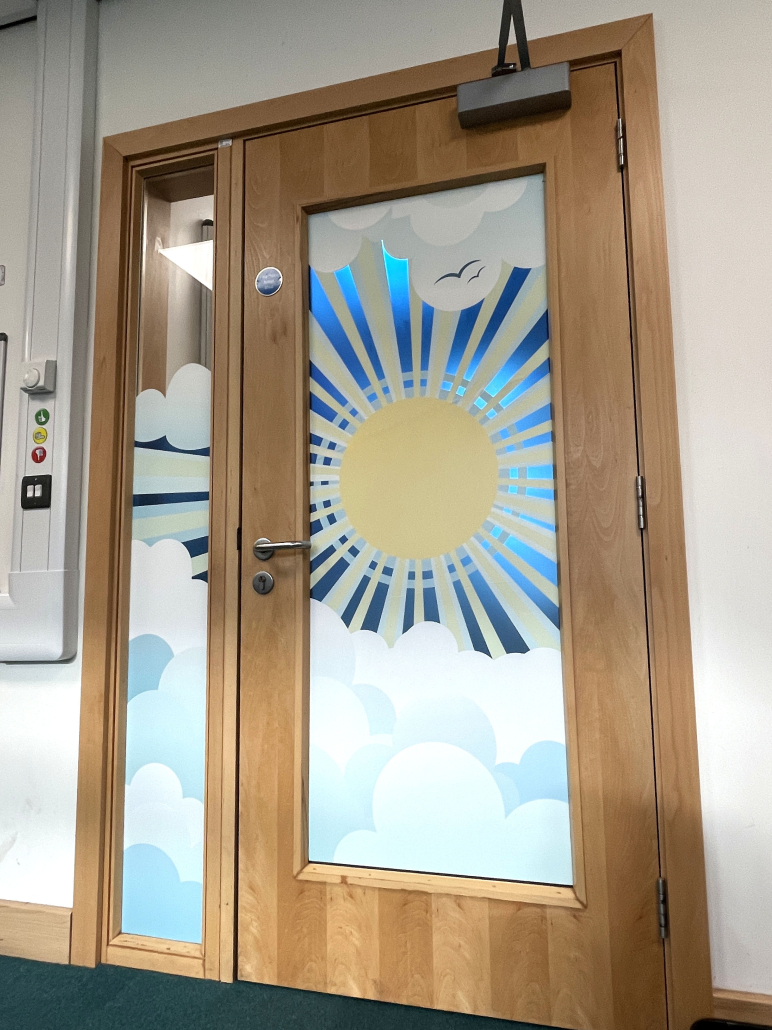
- Cohesive visual design—from colour palettes to signage and wayfinding—that supports clarity, comfort, and emotional stability.
- Consideration of lighting, acoustics, and furniture, all linked to reduced stress and improved learning conditions.
Whether a school is redesigning a single nurture room or creating sensory-rich experiences across an entire site, the objective remains the same: to build environments where every student feels valued, supported, and equipped to reach their potential.
Ultimately, wellbeing-centred design aims to create school spaces that do more than function well or look appealing—they must genuinely feel good. These environments regulate, calm, include, and inspire, helping children flourish academically and emotionally.
References
- Ulrich, R. S. (1984). View through a window may influence recovery from surgery. Science, 224(4647), 420–421.
- Barrett, P., Davies, F., Zhang, Y., & Barrett, L. (2015). Clever Classrooms: Summary report of the HEAD Project. University of Salford.
- Schaaf, R. C., & Mailloux, Z. (2015). Clinician’s guide for implementing Ayres Sensory Integration. Journal of Occupational Therapy.
- Byers, T., Imms, W., & Hartnell-Young, E. (2018). Comparative analysis of flexible and traditional learning spaces. Learning Environments Research.
- McCormick, R. (2017). Does access to green space impact the mental well-being of children? International Journal of Environmental Research and Public Health.