Local ServicesUrgent Help
Breathe Education
  • Early Years
    • Best Start for Life & Healthy Children Programme Birmingham
    • Adverse Childhood Experiences
    • Attachment
    • Emotional Intelligence & Social Confidence
    • Emotional Regulation
    • Resilience
    • Self Esteem
  • Primary School
    • Anger
    • Emotional Intelligence & Social Confidence
    • Emotional Regulation
    • Low Mood & Depression
    • Resilience
    • Self-Esteem
    • Trauma
    • Worry and Anxiety
    • Adverse Childhood Experiences
    • Attachment
  • Secondary School
    • Body Image
    • Eating Disorders
    • Low Mood & Depression
    • Psychosis
    • PTSD (Post-Traumatic Stress Disorder)
    • Worry and Anxiety
    • Gender Identity
    • Self-Harm
    • Social Media
    • Suicide
    • Transitions
  • SEND
    • ADHD (Attention Deficit Hyperactivity Disorder)
    • Autism
    • Conduct Disorders
    • Neurodiversity
    • Bullying
    • Diversity and Mental Health
    • Engaging with young people on mental health
  • Resources & Research
    • Resources
    • Breathe Wellbeing Census – What is it?
    • Wellbeing Census 2025/26 Registration
    • Zines and Emotional Literacy Project
    • Research Hub
    • Art and Wellbeing
    • Wellbeing Design
  • Mental Health Support Teams
    • Notice Board
    • Resources & Tools
      • Teacher Wellbeing
      • Introduction to research
      • Stress: spotting the signs
      • Understanding and managing stress
      • The landscape of teacher wellbeing
      • TIAAS
      • Training
      • Research Projects
  • Menu Menu
  • Twitter

Friends and Peer Pressure in School

Friends and Peer Pressure in School

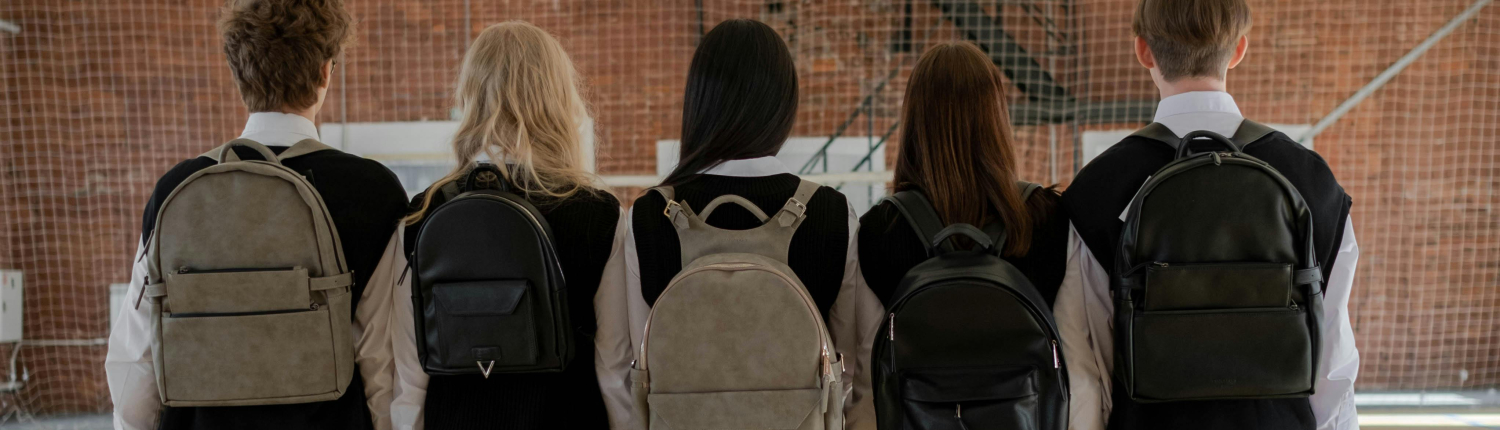
Starting secondary school can be exciting, but it can also bring new challenges. One of the biggest is friendships and peer pressure. Friends can have a strong influence on the choices we make, from the activities we take part in to the way we behave around others.

Peer influence happens when we change what we do because we want to feel accepted and valued by our friends. This influence isn’t always negative. Friends can encourage us to try new activities, become more confident and get involved in school. However, peer pressure can sometimes lead young people to do things they wouldn’t normally choose. (⁠Breathe link)

Friendships become particularly important during adolescence. Secondary school students may take more risks because they want approval or validation from their peers. (⁠Breathe link)

The key is learning how to recognise when friendship becomes unhealthy pressure. A good friend should respect your choices and make you feel comfortable being yourself. It’s okay to say no, even if everyone else is saying yes. Talking to a trusted friend, teacher, parent, or another adult can also help when peer pressure becomes difficult. Developing healthy relationships and learning to deal with social challenges are important skills during the transition into secondary school. (⁠Mindfulness in Schools Project)

Useful Breathe resources:

  • ⁠Peer Pressure & Peer Influence – Breathe Education
  • ⁠Worry and Anxiety – Breathe Education
  • ⁠.breathe curriculum – Mindfulness in Schools Project (Kent)

Ultimately, real friendship shouldn’t require you to change who you are. The best friends are people who support your choices, respect your boundaries and help you feel like you belong.


Latest posts

  • 7 September 2026

    Friends and Peer Pressure in School

  • 25 August 2026

    A Fresh Start: Beginning the New School Year

  • 20 August 2026

    GCSE Results Day 2026

Featured Posts

  • 2 February 2021

    Anna Freud Mental health and wellbeing calendar: Summer term 2026

© Copyright Breathe 2020- 2024
Terms and Conditions  |  Privacy Policy

About Breathe
  • Overview
  • Our team
  • Contact Us
  • FAQs
Article Resources
  • Early Years
  • Primary School
  • Secondary School
  • Teachers Toolkit

supporters & partners                    

A Fresh Start: Beginning the New School Year
Scroll to top