In focus
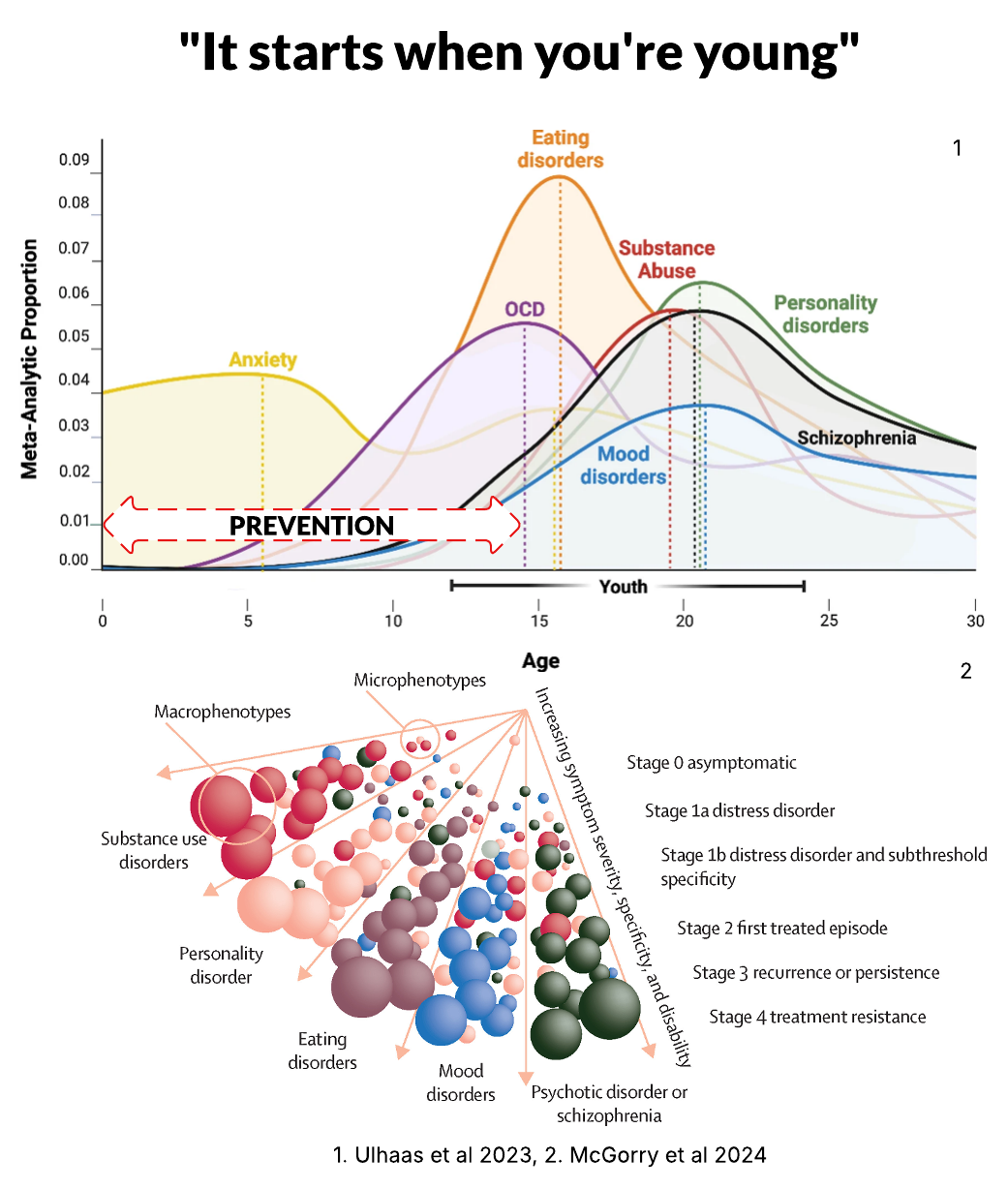
- Most mental health difficulties start young — schools are central to early support.
- The Wellbeing Census runs annually across Years 3–14, providing interactive dashboards and regional benchmarks.
- So far: 55,000+ assessments, 100+ schools, 200 dashboards — making it one of the largest wellbeing censuses in England.
- Data is safeguarded through a secure “airlock” system, GDPR compliance, and independent ethical approval.
- Already embedded in Birmingham CAMHS Early Help and the BCC Youth Strategy, shaping practice across schools.
- The aim is not just to measure wellbeing, but to build a sustainable regional infrastructure that connects schools, services, and communities.

Why the Wellbeing Census was Created?
Most mental health difficulties begin in childhood and adolescence. Research shows that mental health conditions rarely appear suddenly; they develop over time, often from prolonged distress that, if left unaddressed, can progress into diagnosable disorders. This makes it essential to provide support earlier, within the community, before difficulties escalate.
Schools are uniquely placed to deliver this support. Yet at present, there is no consistent infrastructure to bridge the gap between universal prevention in schools and the early stages of specialist child and adolescent mental health services. Instead, too many young people must reach crisis point before qualifying for treatment — and even then, demand for specialist services far outstrips capacity.
The Wellbeing Census was created in direct response to these challenges. It was shaped by evidence and through collaboration between psychologists, educational psychologists, public health experts, school leaders, and safeguarding leads. Its purpose is to provide a standardised, reliable and scientifically validated way to understand pupil wellbeing and to strengthen early intervention in schools, while also laying the foundations for more integrated early intervention approaches in the future.

How the Census Works
By collecting wellbeing data at scale, the Census gives schools a clear picture of how their pupils are doing and highlights the areas where support is most needed. Every year a school receives an interactive dashboard that shows patterns across year groups and key demographics, making it easier to spot emerging trends and to plan targeted responses. At the same time, the use of standardised measures ensures that results are comparable across schools and over time, creating a reliable evidence base for both local decision-making and wider system planning.
The Census therefore works on two levels: it empowers individual schools to act early and effectively, and it contributes to a city-wide understanding of young people’s mental health. This dual function strengthens the bridge between education and healthcare, linking schools more closely with Mental Health Support Teams and public health services, and ensuring that prevention and early intervention are embedded where young people spend most of their time.


Impact and Reach
Since its launch, the Wellbeing Census has grown rapidly in scale and influence. To date, it has carried out over 55,000 pupil assessments across more than 100 schools, with over 200 school dashboards published. This makes it currently one of the largest wellbeing censuses spanning primary and secondary education in England. Our aim is not simply numbers, but to create a joined-up, regional approach that embeds actionable wellbeing support across all levels of the system.
There is already evidence of improved wellbeing in participating schools, and the Census now provides reliable local benchmarks that inform both school practice and wider system planning. It has established recognised links with Youth Mental Health Services, Mental Health Support Teams and Public Health, and is embedded within Birmingham CAMHS Early Help and the BCC Youth Strategy.
The Census is also strengthened by its academic partnerships. Researchers and PhD students from the University of Warwick, Aston University and the University of Birmingham have contributed to its development, ensuring a robust evidence base and continued innovation.


Data and governance
The Wellbeing Census was designed with pupil safeguarding and data protection at its core. All wellbeing measures are self-reported by pupils and linked to school-verified demographic data, ensuring accuracy across groups and trends over time.
To protect identities, the system separates pupil demographics from survey responses so that neither schools nor researchers can identify individual pupils. Schools only ever see aggregated results, while researchers receive pseudonymised datasets. This creates a secure ‘airlock’ that protects pupils’ privacy, reinforced by encryption and strict governance standards.
The Census operates in line with UK GDPR principles of minimisation and pseudonymisation. Governance is overseen by a partnership including educational psychologists, public health experts, safeguarding leads and local mental health services, and the project has received continual independent ethical approval from the University of Warwick’s BSREC committee.

Future Plans
The Wellbeing Census is designed as a foundation, not an end point. Our aim is not only to measure wellbeing, but to build the infrastructure for a sustainable, regional system of early support for young people.
As participation grows, we will provide schools and trusts with deeper insights and clearer comparisons, while strengthening links with Mental Health Support Teams, public health services, and other regional partners. We are also working with universities to explore advanced early-intervention models, ensuring the Census acts as a platform for innovation as well as monitoring.
Above all, the project is about engineering change, not simply collecting data. By combining research, practice and services, we want to ensure that every school has access to reliable insight, and every young person benefits from earlier, more effective support.